
- Home
- ServicesService Categories
Household & Furniture Storage
Complete home relocation, furniture wrapping, and appliance storage.
Household StorageComplete home packing, transport & warehouse storage
Furniture Storage HubDedicated bays for sofas, beds, wardrobes & appliances
Personal StorageMini lockers & personal box storage
Furniture & Household Sub-PagesHousehold GoodsHome RenovationTemporary StorageInterior WorkFamily StoragePersonal StorageSofa StorageBed & MattressDining TableWardrobe StorageRefrigeratorWashing MachineHome AppliancesTV & ElectronicsKitchen AppliancesLuggage StorageClothing StorageBook StorageToy StorageBaby Items StorageSports Equipment StorageCricket Kit StorageMusical Instrument StorageSeasonal Item Storage24/7 CCTV Security & Doorstep Logistics Across IndiaGet A Free Quote - Pricing
- Locations
- About Us
- FAQ
- Contact Us
- Login
- Blogs

Retirement Storage for a
Simpler New Chapter
Retirement often brings a change in lifestyle. You may be downsizing your home, moving closer to family, relocating to a quieter community, travelling more frequently, or simply wanting to create more space around you. During this transition, deciding what to keep and where to store it can become challenging.
Retirement Storage provides a practical way to keep belongings safe and organised without overcrowding your new home. A self-storage unit gives you the flexibility to store furniture, household items, personal collections, documents, seasonal belongings, and other possessions that you may still want to keep.
Whether you are preparing for retirement, already enjoying retired life, or helping a retired family member move into a smaller home, flexible storage can make the transition easier.
Why Retirement Storage Makes Sense
Retirement can involve several major lifestyle changes at once. Moving from a large family home into a smaller apartment, relocating to another city, or spending more time travelling can all create temporary or long-term storage requirements.
Many possessions may still have personal or practical value even when they no longer fit comfortably in a smaller home. Instead of making rushed decisions about what to sell, donate, or discard, storage allows you to keep those belongings while deciding what works best for your new lifestyle.
Downsizing
Store furniture, appliances, books, decorations, and household items that cannot fit into your new home.
Relocation
Keep belongings securely stored while moving between homes or cities.
Travelling
Store your possessions while spending extended periods travelling or living elsewhere.
Family Transitions
Keep inherited belongings, family furniture, photographs, or personal collections until passed on to relatives.
What Can You Store During Retirement?
A retirement storage unit can accommodate a wide variety of household and personal belongings. The right unit size depends on how much you need to store and how frequently you expect to access your items.
Furniture & Furnishings
- Sofas & chairs
- Tables & dining sets
- Cabinets & drawers
Personal Collections
- Books & libraries
- Photo albums
- Memorabilia
Household & Utility
- Seasonal decorations
- Kitchen appliances
- Clothing & luggage
Hobbies & Heirlooms
- Sports equipment
- Hobby & craft supplies
- Family heirlooms
Packing Tip: Before storing valuable or delicate possessions, consider appropriate packing materials and storage conditions. Items should be clean, dry, securely packed, and clearly labelled before being placed inside the unit.
Retirement Downsizing Made Easier
Downsizing can be one of the biggest changes associated with retirement. A smaller home can reduce maintenance and living costs, but it may not have enough space for everything accumulated over many years.
Storage provides a useful middle ground. Instead of deciding immediately what to keep or let go of, you can move less frequently used belongings into a storage unit and gradually make decisions at your own pace.
Separate belongings into items you use regularly, items you want to keep, items to donate, and items that need further consideration.
Keep frequently used possessions in your new home and move less frequently used items into storage.
Pack similar belongings together and label each box clearly.
After settling into your new home, revisit stored belongings and decide what you still need.
Storing Sentimental & Family Possessions
Retirement can be a time when family memories become even more meaningful. Photographs, letters, furniture passed down through generations, collectibles, and other sentimental belongings may not have a place in a smaller home but can still be extremely valuable to you.
A dedicated storage space gives these belongings a place outside your home while allowing you to keep them for future generations.
Storage While Travelling or Living Between Homes
Retirement may provide more opportunities to travel, visit family, or spend extended periods away from home. If you are away for several weeks or months, leaving valuable belongings in an empty house may not always be the most convenient option.
A storage unit can provide a central location for belongings while you travel or transition between homes.
Instead of leaving unused belongings scattered throughout your property, you can keep them organised in one dedicated storage space.
Especially Useful When You:
- Travel for extended periods
- Spend part of the year in another location
- Move temporarily
- Stay with family
- Renovate or prepare a property for sale
- Transition between two homes
How to Pack & Organise Retirement Storage
Good organisation makes storage significantly easier. When you need something months later, clearly labelled and logically arranged boxes can save considerable time.
Use sturdy boxes
Choose strong boxes that can handle the weight of their contents.
Label every box
Write the contents and room category on multiple sides of each box.
Create an inventory
Keep a simple list of what is inside the storage unit.
Access layout planning
Place items you may need regularly near the entrance where they are easy to reach.
Protect furniture
Use suitable covers to help protect furniture from dust and scratches.
Create an aisle
Avoid stacking everything tightly together. Leave enough space to move around and reach stored belongings.
Choosing the Right Storage Unit for Retirement
Choosing the right unit size is important. A unit that is too small can make organisation difficult, while a unit that is significantly larger than necessary may result in unnecessary costs.
Start by estimating the total volume of belongings you plan to store. Consider furniture dimensions, the number of boxes, and whether you expect to add more belongings later.
Amount of belongings
Estimate the number of boxes and larger household items.
Frequency of access
If you expect regular visits, choose a layout that allows easy access.
Future storage needs
If you are still downsizing, you may need additional space later.
Type of belongings
Fragile, bulky, or valuable possessions may require additional planning.
Length of storage
Your requirements may differ if you need storage for a few weeks compared with several years.
Convenient & Flexible Storage for Retirees
Retirement storage should make life easier rather than create additional work. Flexibility is particularly valuable during a period when your living arrangements and storage requirements may change.
A self-storage solution can provide a dedicated place for belongings without requiring you to commit to keeping everything inside your home.
Short-term downsizing
Long-term household storage
Relocation holding
Home renovation holding
Family transitions
Travel breaks
Estate organisation
Seasonal storage
Make Retirement More Comfortable With Extra Space
Retirement is an opportunity to simplify your surroundings and focus on the things that matter most. Storage can support that transition by giving your belongings a secure and organised place outside your home.
- Create more living space in your smaller residence
- Make downsizing easier by storing transition pieces
- Keep meaningful sentimental belongings safe
- Organise your possessions systematically
- Prepare for future family inheritance needs
- Enjoy a less cluttered, comfortable home environment

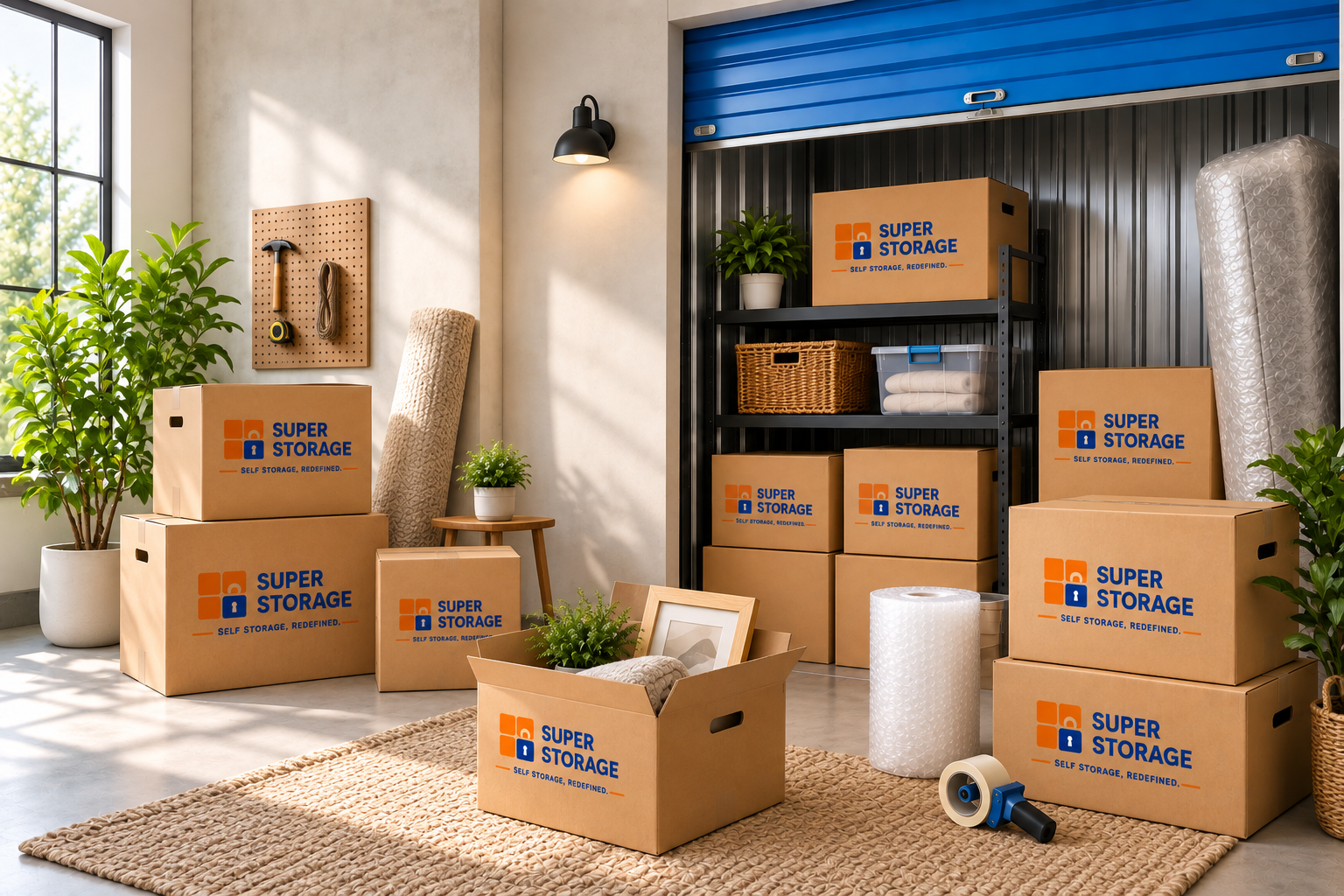 SuperStorage Care
Focus on Your Next Chapter
Retirement should be about enjoying your next chapter — not worrying about where to put everything from the previous one. SuperStorage provides you with the physical space to simplify your surrounding environment and keep what matters.
- Flexible storage size options
- Private, individually locked vaults
- Dust-free and dry warehouse environment
- Convenient retrieval access
- Short or long-term lease terms
Select Your Storage Plan
Affordable monthly plans customized for household, document, business & vehicle storage.
Household Storage
Complete home relocation & furniture bays
- ✓TV / LED
- ✓Refrigerator
- ✓Washing Machine
- ✓Cot & Mattress
- ✓Sofa Set
- ✓Dining Table & Chairs
- ✓Wardrobe
- ✓Study Table & Chair
- ✓Kitchen Appliances
- ✓Personal Boxes
Document Storage
Barcode archival & record safety
- ✓Files & Folders
- ✓Legal & Tax Documents
- ✓Invoices & Bills
- ✓Contracts & Agreements
- ✓Business Archives
Business Storage
Commercial inventory & office assets
- ✓Office Furniture
- ✓Computers & Monitors
- ✓Office Equipment
- ✓Inventory & Stock
- ✓Marketing Materials
- ✓Display Stands
- ✓Packaging Materials
Vehicle Storage
Rodent-proof covered parking bays
- ✓Cars
- ✓Motorcycles
- ✓Scooters
- ✓Electric Vehicles
- ✓Vintage / Classic Vehicles
- ✓Second Vehicles
- ✓Vehicles Used Occasionally
- ✓Vehicles During Relocation or Travel
*Note: The items mentioned above are indicative and can be customized according to your storage needs.
Conveniently Located
#130/1, Hanumantha Gowda Compound, Immadihalli Main Rd, Whitefield, Bengaluru, Karnataka 560066
Simple 4-step process
From your doorstep to our secure facility and back — we handle everything.
 1
Request a Quote
Share your requirements & get an instant estimate
 2
We Pack & Pickup
Expert packing & 100% doorstep pickup
 3
Stored Securely & Insured
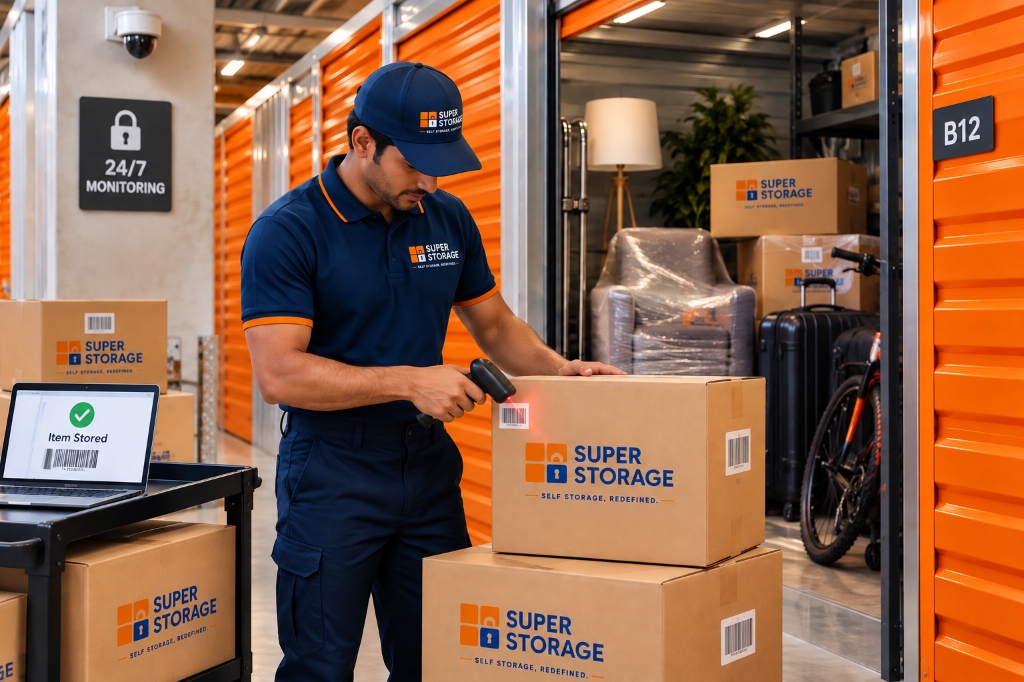
Safe storage in 24/7 barcode-tracked units with Free Insurance coverage
 4
Delivered Back
Doorstep delivery whenever you need your items back
Retirement Storage FAQs
Retirement storage is a self-storage solution designed to help people manage belongings during retirement-related transitions such as downsizing, relocation, travelling, or reorganising their homes.
You may have accumulated furniture, family belongings, sentimental items, seasonal possessions, or other items that do not fit into your new home. Storage gives you additional space without requiring you to immediately sell or discard those belongings.
Yes. Storage can be particularly useful during downsizing because it gives you somewhere to keep belongings temporarily while you decide what to keep, donate, sell, or pass on to family members.
Common items include furniture, household goods, books, clothing, photographs, collectibles, seasonal items, appliances, family keepsakes, and other permitted personal belongings.
Estimate the amount of furniture and number of boxes you need to store, then consider how much space you need for movement and future additions. A storage team can also help you determine an appropriate unit size.
Yes. Storage can be useful if you plan to travel for an extended period or spend part of the year away from home. It provides a dedicated place for belongings while you are away.
Clean and dry your belongings before packing them. Use sturdy boxes, protective covers, suitable packing materials, and clear labels. Keep an inventory so you can easily identify what you have stored.
Many people use storage for family furniture, photographs, collectibles, and sentimental possessions. For delicate or irreplaceable belongings, use appropriate protective packaging and check the facility's storage rules and insurance requirements.
Yes. Depending on your requirements, storage can be used for both short-term transitions and longer-term storage. Your ideal solution will depend on the amount and type of belongings you have.
By moving rarely used furniture, seasonal items, family belongings, and other possessions into a dedicated storage unit, you can free up valuable space and maintain a cleaner, more comfortable living environment.
What people say about us
 Household Storage
"I had to fly to the US on very short notice and was in a complete rush to sort out my belongings. Super Storage was an absolute lifesaver. Their team was incredibly responsive, understanding, and efficient. They helped me pack, store, and secure everything without any hassle, allowing me to focus on my travel. I truly appreciate their professionalism and support during such a hectic time. Highly recommended for anyone looking for reliable and stress-free storage solutions!"
Vamsinath Reddy
Sr. Software Engineer, CTS, Bangalore Renovation
"I live in a 4 BHK villa. I recently had to store my household items while my home was undergoing renovation, and Super Storage made the entire process seamless. From pickup to storage, their team was professional, punctual, and careful with my belongings. Knowing my items were safe and in good hands gave me peace of mind during a stressful renovation period. I'm truly grateful for their reliable service and wouldn't hesitate to recommend them to anyone in need of secure, hassle-free storage."
Lalitha Praneeth
HR Head, Xytiq Technologies, Bangalore Document
"I needed a safe and reliable place to store some highly important and confidential documents, and Super Storage exceeded my expectations. Their facility is secure, well-maintained, and gave me complete peace of mind knowing my files were in trusted hands. The team was responsive, professional, and took great care in handling my requests. They also supported me in sorting files with Indexing, so that I can pull out the required document box as in when required. I'm extremely satisfied with their service and would confidently recommend them to anyone in need of secure document storage."
Venkatestwara Rao
O24U Nature LLP, Bangalore Business Storage
"As my handmade jewelry and home decor business grew and had to store the stock, I needed a flexible and secure storage solution for my inventory. Super Storage has been a game-changer. Their facility is clean, well-organized, and easily accessible, which makes managing stock between seasons incredibly efficient. Moreover I have to pay only for the space occupied for my inventory. The team has been supportive, responsive, and truly understands the needs of small businesses. I couldn't have asked for a better storage partner to grow alongside my brand."
Nandini
Nandini Indrakiran, House of Handmade Wedding Storage
"During my wedding, I needed to quickly clear space at home to accommodate guests for staying and sleeping. Some of the furniture I had to move was quite delicate and valuable, so I was nervous about storing it. Super Storage made the entire process stress-free. Their team was extremely careful, professional, and efficient-from pickup to secure storage. Thanks to their help, I was able to comfortably host my guests without worrying about my furniture. I truly appreciate their reliable and thoughtful service during such an important time in my life."
Vivek
Technical Support Manager, Dell, Bangalore Temporary Storage
"I'm incredibly grateful to Super Storage for their exceptional service during a crucial time. With my new home still under construction and furniture arriving from abroad, I was worried about where to safely store everything. Super Storage stepped in and provided a secure, convenient, and professional storage solution that gave me complete peace of mind. Knowing my items were in safe hands allowed me to focus entirely on managing the construction of my home without added stress. Their support made a big difference, and I wouldn't hesitate to recommend them to anyone needing dependable storage services."
